What is sodium ascorbyl phosphate in skincare?
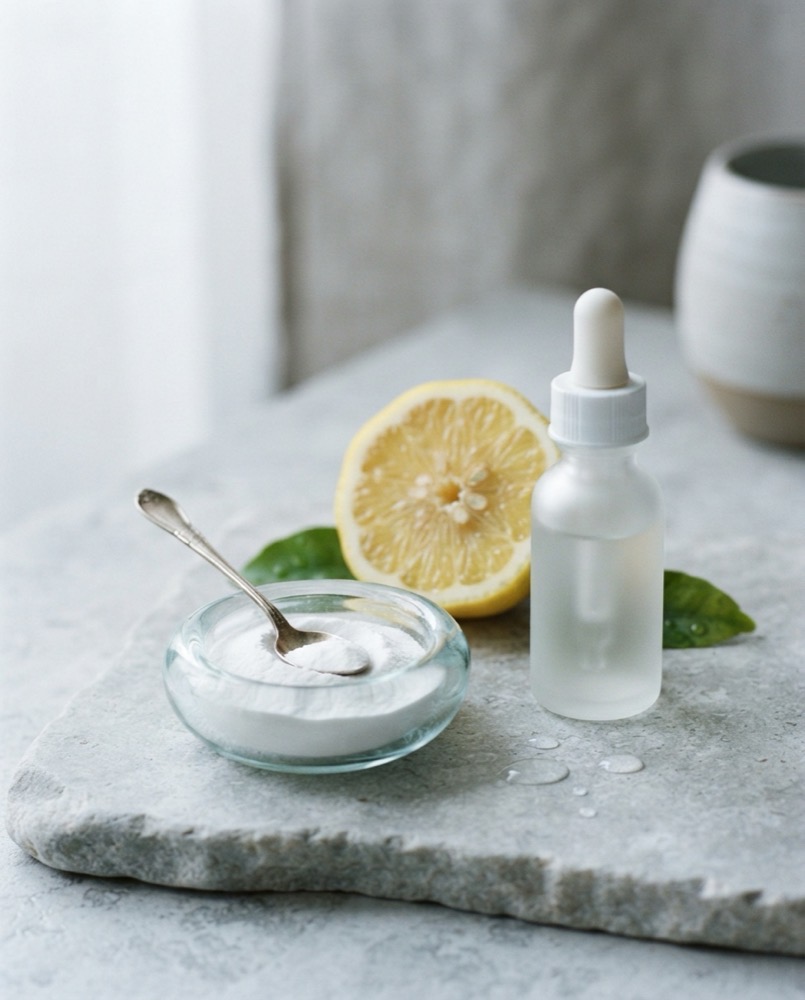
Sodium ascorbyl phosphate, often abbreviated SAP, is a water-soluble salt of vitamin C in which a phosphate group protects the unstable part of the ascorbic acid molecule. Enzymes in the skin cleave that group to release active vitamin C.
The trade-off is deliberate: SAP is far more stable than L-ascorbic acid, works at a near-neutral pH that does not sting, and does not oxidise to orange in the bottle – but conversion means slower, gentler results.
What skin concerns does sodium ascorbyl phosphate treat?
It brightens pigmentation and uneven tone, provides antioxidant defence against UV and pollution, and supports collagen for firmness and fine lines.
It has one benefit pure vitamin C does not: both in vitro and in vivo work shows SAP is effective in preventing and treating acne vulgaris, through antimicrobial and anti-inflammatory action. That makes it an unusually good fit for oily, breakout-prone skin that also wants brightening.
What ingredients are best paired with sodium ascorbyl phosphate?
Niacinamide is a natural partner for tone and oil control, and vitamin E extends its antioxidant reach. It layers safely with hyaluronic acid, ceramides and most actives.
Because it is water-soluble and pH-neutral it is far easier to formulate and use than L-ascorbic acid, and it suits sensitive skin. As with all vitamin C derivatives, expect a gentler curve and give it three months. Take our Skin Quiz.
What are dark spots?
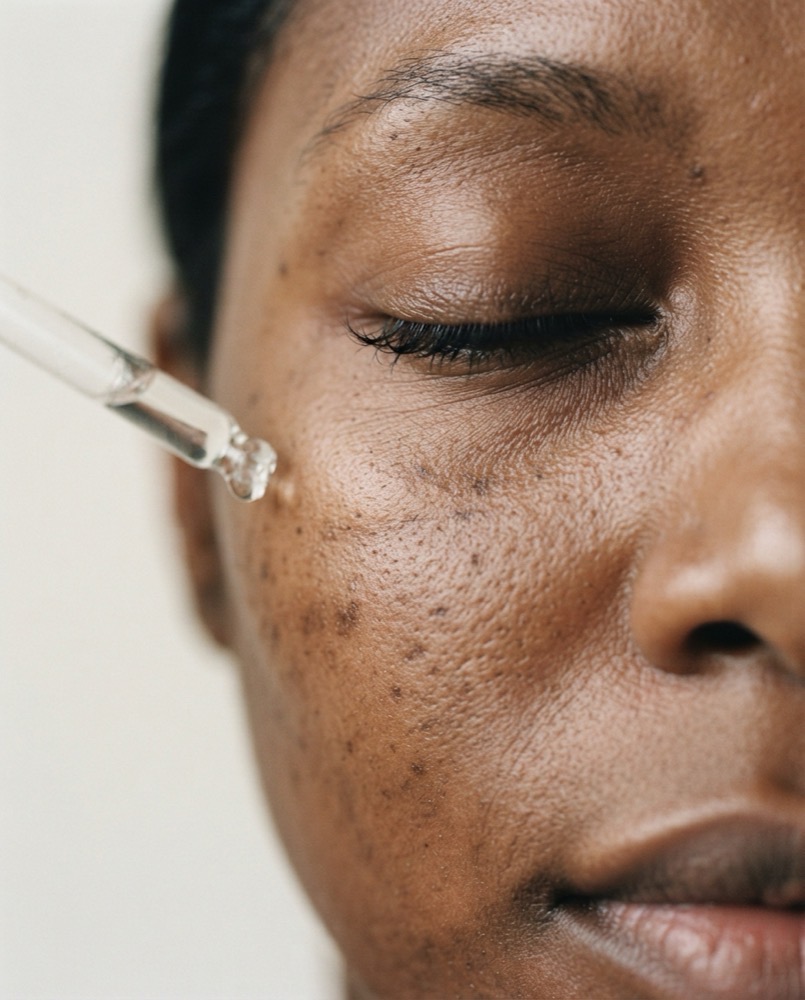
Dark spots are localised patches where the skin has produced more melanin than the surrounding area. The umbrella term covers sun spots, post-acne marks, melasma patches and freckles – different causes, same visible result.
They are flat rather than raised, vary from light tan to deep brown, and are most noticeable on the face, hands and chest. In deeper skin tones they tend to be darker and to last considerably longer.
What causes dark spots?
Two mechanisms dominate. Ultraviolet exposure triggers protective melanin production, and inflammation – from acne, ingrown hairs, eczema, friction, burns or harsh treatments – leaves post-inflammatory hyperpigmentation behind as it heals.
Hormonal change, some medications and heat add to it. Picking at spots is one of the most avoidable causes: the extra inflammation reliably makes the mark darker and longer-lived than the original blemish.
What ingredients are best for dark spots?
Vitamin C, niacinamide and azelaic acid are the everyday workhorses. For stubborn pigment, alpha arbutin, tranexamic acid, kojic acid and liquorice root extract interrupt melanin production directly.
Retinoids and gentle AHAs clear pigmented cells faster from the surface. Give any routine twelve weeks before judging it, and wear broad-spectrum SPF daily or the spots will simply redarken. Take our Skin Quiz.