

What is CBD in skincare?
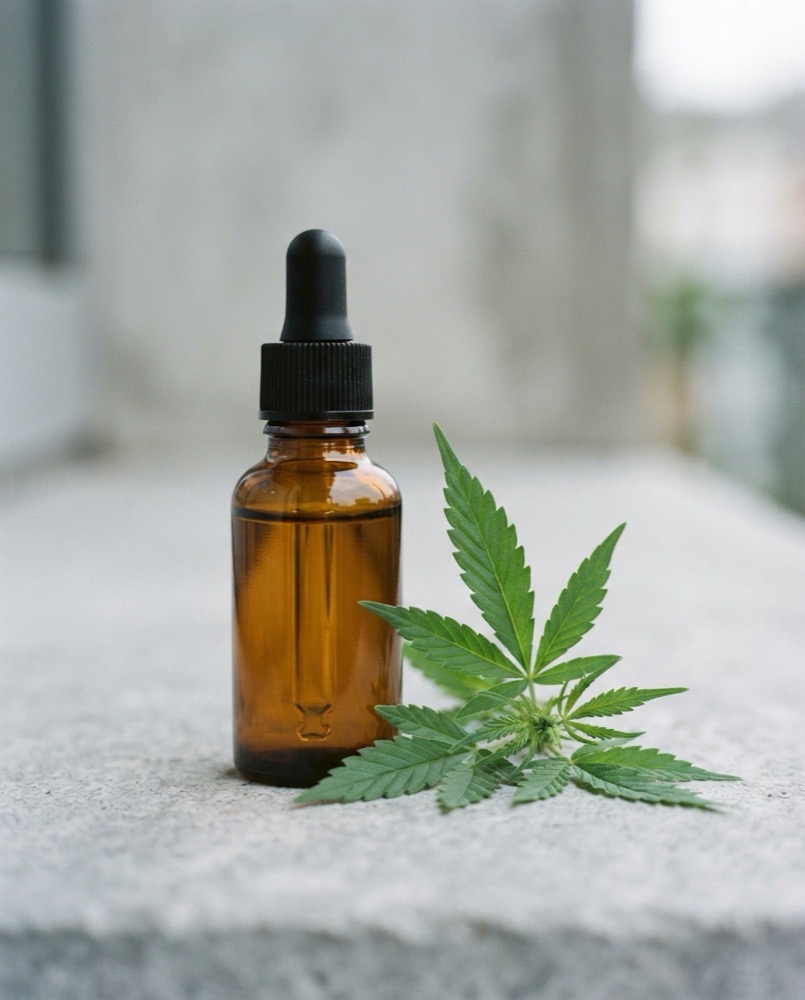
CBD is cannabidiol, one of over a hundred cannabinoids in Cannabis sativa. It is extracted from the flowers and leaves, and unlike THC it is non-psychoactive. It is not the same as hemp seed oil, which comes from the seeds and contains essentially no cannabinoids – a distinction many products blur.
Skin has its own endocannabinoid system, with receptors on keratinocytes, sebocytes and immune cells, which gives topical CBD a plausible mechanism rather than just a marketing story.
What skin concerns does CBD treat?
Its strongest case is inflammation. Research on the anti-inflammatory effects of CBD on acne points to suppression of sebum production and of the inflammatory cascade behind breakouts – a combination few ingredients manage.
A literature review of CBD in cosmetic dermatology also covers eczema, psoriasis, redness and signs of ageing, with antioxidant activity alongside. The evidence is promising but still thin on large human trials, and product quality varies enormously.
What ingredients are best paired with CBD?
It pairs naturally with other calming ingredients – niacinamide, centella asiatica, green tea, colloidal oatmeal – and with ceramides and squalane for barrier repair.
Check the label for a stated CBD content in milligrams and third-party testing; products listing only hemp seed oil contain no CBD. It is generally well tolerated and can sit alongside retinoids and acids as the soothing part of a routine. Take our Skin Quiz.
What is hormonal acne?
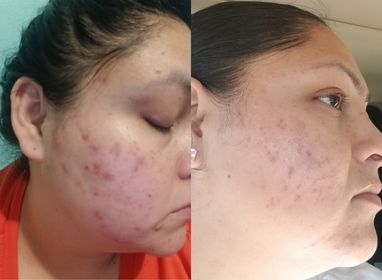
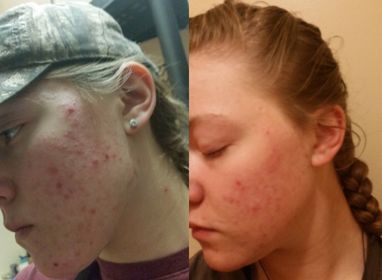
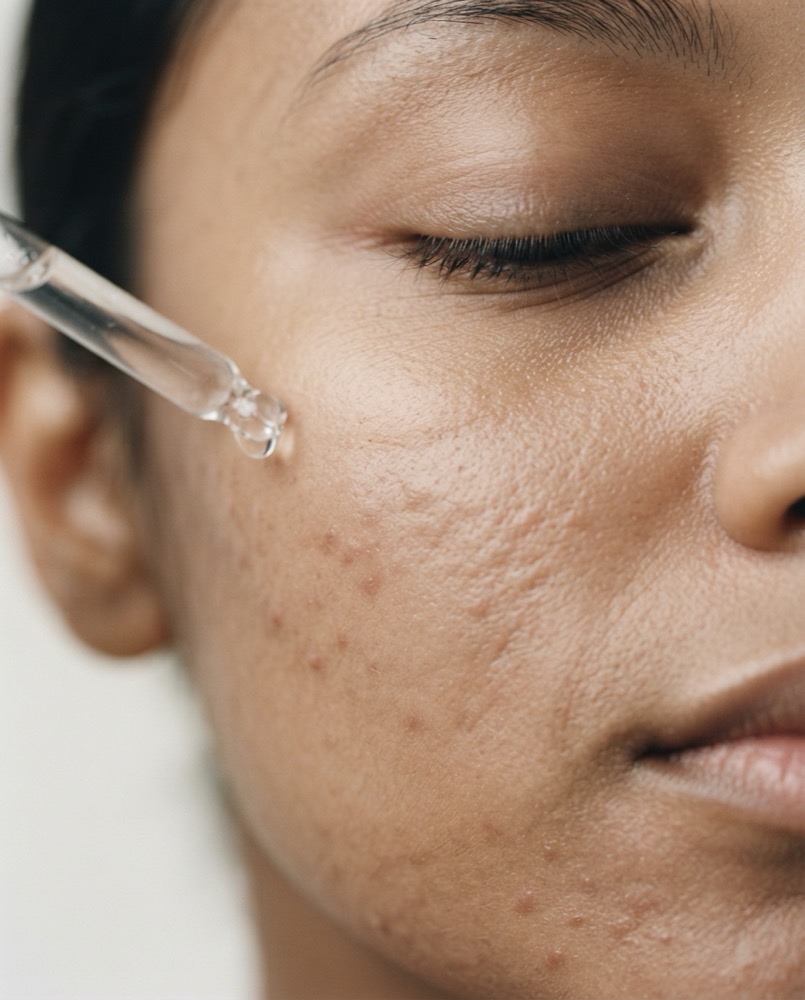
Hormonal acne is acne whose timing and pattern track with hormonal activity rather than with cleansing habits or diet alone. It typically appears along the lower face – jawline, chin and upper neck – as deep, tender papules and cysts that flare on a predictable cycle.
It is most recognisable in adult women, where breakouts often arrive in the week before menstruation and settle again afterwards.
What causes hormonal acne?
Androgens – testosterone and DHT in particular – bind to receptors on the sebaceous gland and increase sebum production. When androgen activity rises or oestrogen falls, oil output climbs and follicles clog more readily.
Menstrual cycles, starting or stopping contraception, pregnancy, perimenopause and PCOS are the usual contexts. Stress raises cortisol, which amplifies the same pathway. Persistent hormonal acne with irregular cycles or excess hair growth is worth investigating medically.
What ingredients are best for hormonal acne?
Retinoids are the most effective topical, because they stop the plug forming regardless of how much oil is being produced. Azelaic acid reduces inflammation and the marks that follow, and niacinamide helps regulate sebum.
Salicylic acid keeps pores clear between flares, and benzoyl peroxide targets bacteria in inflamed lesions. Because hormonal acne is driven from the inside, topicals manage rather than cure it – consistency across the whole cycle beats spot-treating during a flare. Take our Skin Quiz.